What Affects the Price of a Curtain Clean?
Ask three companies to quote on the same curtains and the numbers can vary widely — not because someone is overcharging, but because curtain cleaning is priced on a set of variables that are easy to miss when you are simply counting windows. Understanding what actually drives the figure makes it far easier to compare quotes properly and to see when a low number is leaving something out.
Fabric Type Sets the Starting Point
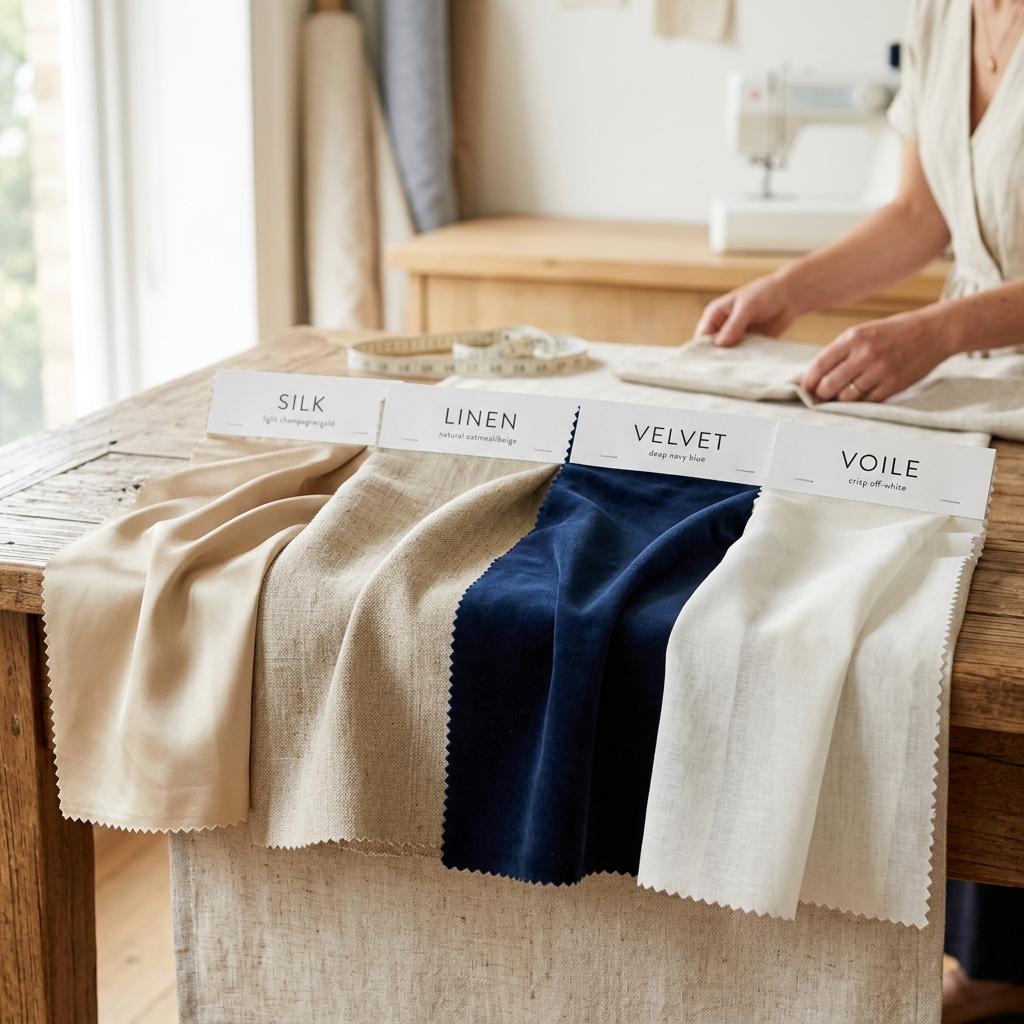
Fabric determines the method, and the method determines the labour. A plain polyester panel tolerates a straightforward process with minimal testing. Silk, velvet, wool and heavily textured weaves require patch testing, gentler chemistry, tighter moisture control and slower, more careful work — and they carry more risk, which is priced in. This is the single biggest reason two apparently identical windows can attract different rates.
Size Is Measured in Fabric, Not Windows
People instinctively count windows, but a quote is based on the amount of material. A pair of pinch-pleat drapes on a three-metre-wide window with a ceiling-height drop contains several times the fabric of a café curtain over a kitchen sink, and pleated headers hold considerably more fabric than their finished width suggests — two and a half times the track length is common. Full-height panels also need staging or ladder work that a short curtain does not.
Lining and Layers Multiply the Work
A lined curtain is at least two fabrics, and an interlined one is three. Every layer has to be cleaned, and moisture has to be managed through the whole assembly so nothing is left damp between the layers. Blockout coatings need to be worked around rather than through. Realistically, an interlined drape is closer to three jobs than one, and quotes reflect that.
Onsite Versus Take-Away
Cleaning curtains in place avoids take-down, transport, rehanging and the risk of shrinkage, and it usually means the room is back to normal the same day. Taking panels away allows immersion processes and heavier soil removal, but it adds two visits, transport and handling, plus a period without curtains at the window. Neither is universally cheaper — onsite generally wins on convenience and turnaround, take-away on very heavy soiling — and a fair quote should state which it assumes.
Condition and How Long It Has Been Left
Soil that is still sitting on the surface releases easily. Soil that has been bound in by twelve months of humidity and cooking vapour needs pre-treatment, dwell time and sometimes a second pass. Kitchen grease films, nicotine staining, mould along a hem and set-in pet accidents all move a job from routine to specialist work, and heavy stain and odour treatment is usually quoted separately from general cleaning because the time involved is genuinely unpredictable.
Access, Height and Hardware
A standard rail at two and a half metres is quick. A void above a stairwell, a raked ceiling, a curved bay track or motorised hardware all add time and equipment. Furniture that needs moving, awkward parking, and multi-storey access without a lift all add labour too. It is worth mentioning anything unusual when you ask for a quote, because it is the most common cause of a revised price on the day.
Volume Works Strongly in Your Favour
A large share of any job is fixed: travel, setting up, testing, packing down. Spread that across one window and the per-panel cost is high; spread it across a whole house and it falls sharply. Doing every room in one visit is almost always better value than booking rooms individually across the year, and it is why full-home residential curtain cleaning is quoted differently to a single-room callout.
Blinds Price on a Different Basis
If blinds are in the mix, expect them to be quoted separately, because the work is not comparable. Venetians are priced by slat count as much as by area — a wide window with dozens of narrow slats is far more work than its size suggests — while rollers and verticals are quicker but need careful handling of mechanisms and coatings. Ask for blinds cleaning to be itemised so you can see what you are paying for.
Commercial Work Has Its Own Structure
Offices, hotels and healthcare sites are usually priced as a program rather than a one-off, with after-hours or overnight attendance to avoid disrupting trading. That premium is offset by scale and by contract rates, and the value sits in the consistency across every floor. Most commercial curtain cleaning is quoted after a site walk-through, because a floor plan tells you far more than a panel count.
What a Complete Quote Should Include
- The number of panels and their approximate width and drop.
- The method proposed, and whether it is onsite or take-away.
- Take-down and rehanging, stated explicitly rather than assumed.
- Whether spot and odour treatment is included or charged as an extra.
- Expected drying time and when the room will be usable.
- Insurance cover, and what happens if a fabric reacts unexpectedly.
Where the Cheapest Quote Usually Loses
A very low price generally means something has been left out: take-down billed separately on the day, no pre-testing, a single generic method applied to every fabric regardless, or no cover if a lining shrinks. Curtains are a significant investment and replacing a set costs many times what cleaning them does, so the meaningful comparison is not which quote is lowest but which one accounts for your actual fabric.
Getting an Accurate Number
The more detail you provide up front — fabric, lining, drop, track height, known stains, anything unusual about access — the closer a quote will be to the final invoice. Photographs of the header, the hem and the room usually answer most of it. You can see how each service is scoped across our full service range, and the team at Fresho Curtain Cleaning will tell you plainly which factors are driving your particular figure.